






how do children’s allergies affect sleep?
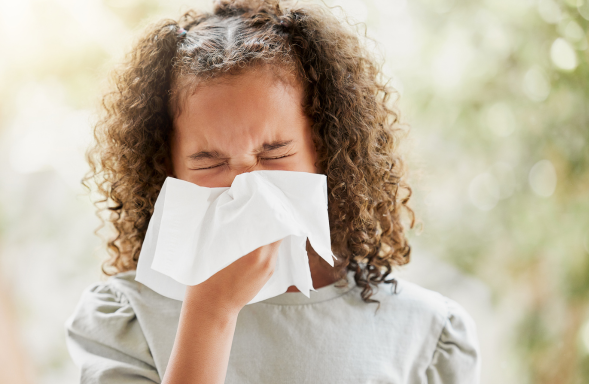
For our little ones, summertime brings about longer, warmer days filled with days out and activities. But for many, the increase in allergy flare-ups can put a stop to all the fun. Asthma, hay fever and eczema are just a handful of the types of allergies that children can experience from a young age, with many childhood allergens more common in summer.
More often than not, these allergies can impact the quality of sleep children get, which is detrimental to their health and growth. This then leaves parents feeling even more helpless, but that doesn’t have to stay the case. Whether your child is coughing at night or restless in the morning, we’re here to delve into children’s allergies and how they can affect their sleep, while providing you with ideas on how to make a nursery or bedroom allergy friendly.
the sleep summary
Children’s allergies, such as asthma, hay fever and eczema, can affect their sleep by being disruptive. Ways to reduce their symptoms are to keep their bedroom clean, control the humidity of their sleeping environment, keep their windows closed, give them regular baths and use hypoallergenic bedding.
Two of the most common childhood allergies likely to affect sleep are asthma, which affects 1 in 11 children in the UK, and eczema, which affects 1 in 10 children.
Asthma worsens at night because sufferers experience a reduction in epinephrine and an increase in histamine.
do children's allergies impact sleep more than in adults?
Yes, it’s possible for allergies to affect children more than adults as they’re still developing physically, and with smaller airways, it’s easier for them to become congested.
what are the most common children’s allergies?
Children are at risk of developing many different allergies, some more obvious in their symptoms than others. Here’s an insight into some of the most common:
Food intolerances: These affect nearly 5% of all children under the age of five years. The most common being egg, milk, soy and wheat which are sadly all beneficial in a child’s growth and development. But as a silver lining, there are ways that you can support your child in growing out of a food intolerance - a popular solution is to introduce the food back into a child’s diet gradually.
Asthma: similarly, asthma affects 1 in 11 children in the UK, making it a huge worry for parents across the nation. Unfortunately, asthma isn’t curable, but that doesn’t mean that there aren’t ways to minimise its symptoms which we will address later in this article.
Eczema: like asthma, eczema affects a staggering 1 in 10 children and unfortunately, it's an ongoing problem that although can be reduced in severity, is with someone for life.
Hay fever: This is a very common allergy, in children and adults alike. From itchy eyes to sniffly noses, hay fever affects 0-15% of all children as a result of an allergic reaction to pollen. Like in adults, reducing the effects of hay fever is done through antihistamines, using child-friendly variations.
how do food allergies affect children's sleep?
How food allergies affect their sleep will depend on the severity of the allergy. In severe cases, children will experience sleep attacks, but for common food allergies like dairy or soy, their sleep may just be disrupted by stomach pain, itching or even eczema flare-ups.
how does asthma affect a child’s sleep?
Due to the above symptoms of asthma, including a child coughing at night, it's no surprise that a child’s sleep is affected, especially when there’s a much higher chance of experiencing them in bed. Nocturnal asthma, also known as nighttime asthma, is much more dangerous and should always be monitored alongside the required treatment given by a doctor.
With asthma, studies have shown that when a child is constantly coughing at night with shortness of breath, they spend more time awake than asleep. The same disruptions occur for other allergies, including hay fever and skin irritation from eczema. Because of this, sleep quality is diminished, which plays such a vital role in a child’s health and development.
how do you know if your child has asthma?
While we always recommend seeking medical advice if you’re concerned your child has asthma, there are common signs that you can look out for. These include shortness of breath, difficulty breathing and wheezing (a whistling noise when breathing). If your child seems like they’re in a lot of pain next to these symptoms, it could be down to chest tightness or other pain connected to asthma.
how can you tell the difference between asthma and a viral cough?
To determine whether your child’s cough is a sign of asthma or a common viral infection, it's important to figure out when the coughing happens most. For instance, nighttime coughing usually signals asthma as once a child falls asleep, they experience a reduction in epinephrine and an increase in histamine production. The hormone histamine tightens airways, whereas epinephrine opens the airways instead. If it's a viral cough, on the other hand, it tends to be pretty consistent throughout the day too.
how does eczema affect a child’s sleep?
Up to 83% of children with eczema experience poor sleep due to their allergies which can be made worse by a hot and sweaty bed during warmer months. The persistent need to itch irritated skin leading to sleepless nights can have a detrimental effect on a child’s growth and development, as well as their overall mood and wellbeing.
can hay fever lead to poor sleep in children?
The congestion, itching and coughing associated with hay fever can make sleeping difficult as sufferers struggle to find relief, especially at night. The frequent wake-ups triggered by hay fever can cause fatigue and restlessness in children especially, impacting their daytime behaviour.
children's allergies and sleep apnoea
With common symptoms of allergies being nasal congestion and airway inflammation, it’s no wonder that they can cause the onset of sleep apnoea. Sleep apnoea refers to your breathing pausing multiple times during the night, and many allergy triggers can worsen its effects. Usually, you can pinpoint whether your child might be suffering from allergies and OSA (obstructive sleep apnoea) from loud snoring, restless sleep, behavioural issues and daytime sleepiness.
comparing the sleep disturbances caused by pet allergies vs. dust allergies in children
Two more allergies which are common in children and can impact how well they sleep is pet and dust allergies. While the symptoms of these allergies can manifest the same in children, there can be some differences which’ll allow you to distinguish which one they’re suffering from.
pet allergies
Causes: Animal fur and saliva
Symptoms: Usually sneezing, congestion, coughing, itchy eyes and sometimes skin flare-ups
Sleep impact: Difficulty falling and staying asleep
dust allergies
Causes: Dust mites
Symptoms: Often sneezing, worsen asthma and eczema, congested sinuses, itchy eyes, and sometimes skin flare-ups
Sleep impact: Breathing is usually impacted, therefore the ability to fall and stay asleep is a struggle
what’s the impact of dust mite allergies on a child's sleep quality?
As dust mites tend to live in bedding, allergies can become more severe at nighttime, often leading to sleep disruption that’s caused by symptoms like consistent coughing, sneezing and itching, as well as nasal congestion. The more disruptions they experience, the less time they spend in deep, restorative sleep which is vital for development.
what is the best bedding for children’s allergies?
The best bedding to help children with allergies sleep better should be naturally hypoallergenic, made from breathable materials which naturally regulate body temperature whilst protecting against allergens and harmful bacteria.
anti-allergy mattresses
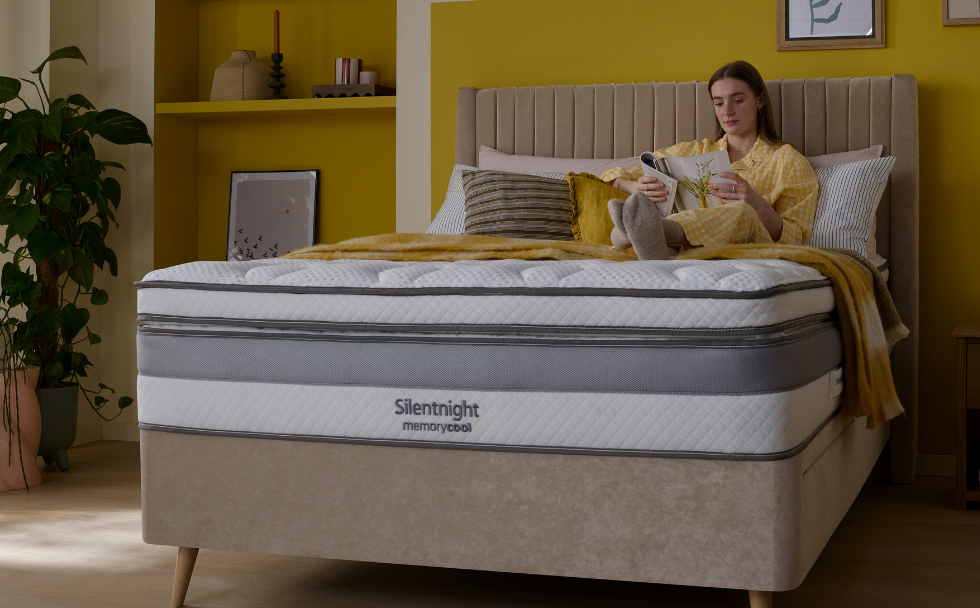
Our anti-allergy kid’s mattresses are effective for reducing allergy symptoms as they resist dust mites and other allergens too. Using special hypoallergenic and breathable materials, the airways are given a much better chance of staying open.
hypoallergenic pillows
Hypoallergenic pillows are great for children which suffer from asthma as they’ll be less exposed to common allergens which often trigger asthma symptoms. Our naturally hypoallergenic pillows come in a range of firmness levels and materials, allowing you to find an option suited to your sleeping style.
temperature-regulating duvet
Hypoallergenic duvets made from materials such as organic cotton, wool, polyester or synthetic down alternatives like microfibre are great at promoting airflow and temperature regulation. Always go for a washable duvet to remove any potential allergens regularly by washing it on a hot cycle and try to look out for breathable qualities to promote good airflow.
By creating an allergy-friendly bedroom for your child with a breathable, light duvet, which works in conjunction with any prescribed medication for their asthma, you can help your child stop coughing at night. What’s more, you’ll help them gain quality sleep each bedtime, aiding their growth and development.
anti-allergy sheets
From naturally hypoallergenic mattress toppers which help protect your little one’s mattress from mites and bacteria to anti-allergy sheets which maximise comfort whilst remaining breathable, investing in the right bedding is key to helping your child sleep better during the summer.
explore more summer bedding essentials with Silentnight
It’s not just our little ones who struggle with allergies at night, especially when peak pollen season hits. So why not explore our full cooling bedding range and explore products which have been handpicked to help sleepers of all ages rest better this summer.
Or if you’re looking for more advice for helping your child sleep better all year round, check out the rest of our guides designed for parents.